A thorough cleanup includes a magnetic sweep for stray nails, removal of old material and debris, and protection of landscaping and driveways used during the project. Loose nails left in the yard are a common and preventable problem after a roof replacement.
Crews typically use a magnetic roller or handheld sweeper across the lawn, driveway, and any walkways near the house to catch nails and small metal debris that fell during tear-off and installation. This step should happen more than once, since nails can shift after the initial pass, particularly near gutters and drip edges.
Old shingles, underlayment, and packaging materials should be hauled away, usually via a dumpster that was staged in the driveway for the duration of the project. Ask before the project starts how long that dumpster will remain and when it will be picked up, since a lingering dumpster is one of the more common post-project frustrations homeowners mention.
Plants, flower beds, and outdoor furniture near the house should also be checked once the crew finishes. Tarps or plywood placed to protect landscaping during tear-off should come down, and any minor damage to plants or mulch beds should be addressed as part of the cleanup rather than left for the homeowner to fix.

Manufacturer warranties often require registration within a set window after installation, and failing to register can limit or void coverage. This step is easy to overlook once the visible work is done, but it protects the investment for years to come.
Registration typically involves submitting the shingle or material serial numbers, installation date, and contractor information to the manufacturer, sometimes online and sometimes through paperwork the contractor submits directly. TurnKey Roofing Team’s post comparing workmanship and manufacturer warranties explains how these two protections work together.
Ask specifically who is responsible for completing registration, the contractor or the homeowner, and get confirmation once it is done. Keep a copy of the registration confirmation along with the rest of the project paperwork in case a warranty claim comes up later.
Some manufacturers offer enhanced or extended warranty tiers that require the installation to be completed by a certified contractor and registered within a shorter window than the standard warranty. If an enhanced warranty was part of the original quote, confirm that the registration submitted actually reflects that higher tier rather than the standard coverage.
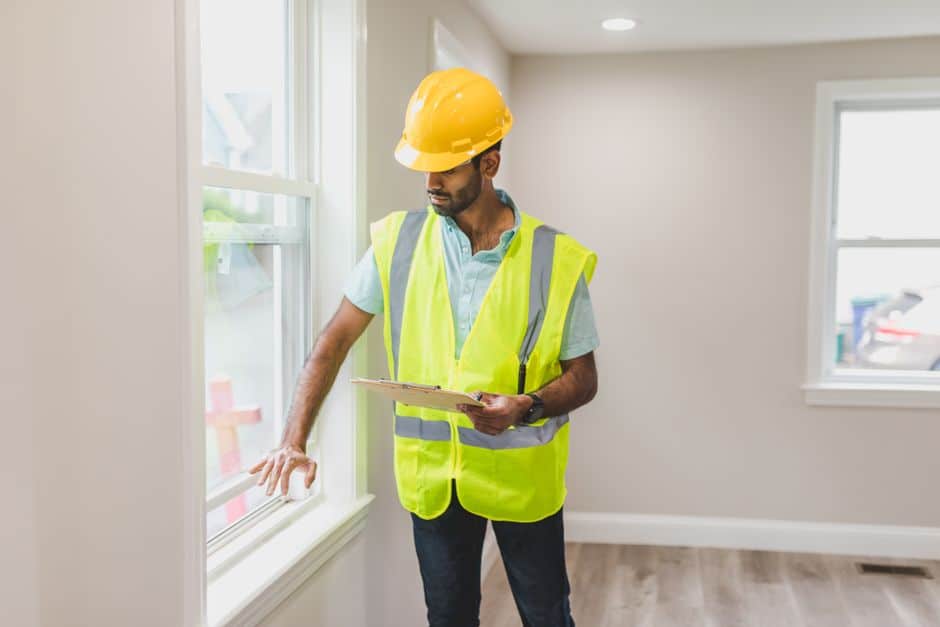
A final walkthrough should check that all work matches the contract, examine visible workmanship, confirm cleanup is complete, and answer any remaining questions. This is the homeowner’s chance to flag anything before the project is officially closed out.
Walk the perimeter of the house and look at the roofline from the ground, checking that flashing, ridge caps, and gutters look properly installed and consistent. If a ladder walk-on inspection is offered as part of the walkthrough, take advantage of it, since some details are hard to judge from ground level alone.
Bring up anything that does not match what was discussed at the estimate stage, whether that is a missed detail, leftover debris, or a question about a specific area of the roof. A reputable contractor treats this conversation as a normal part of finishing the job, not an inconvenience.
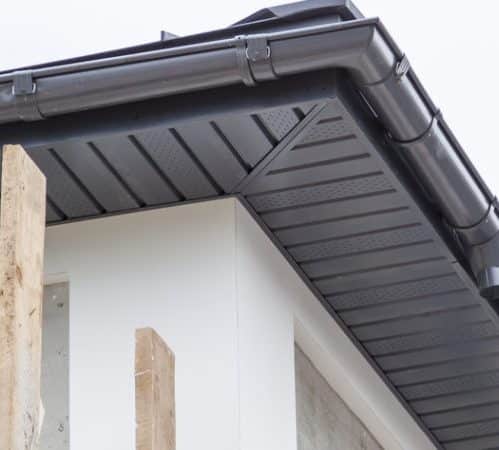
If gutters were disturbed or removed during the project, confirm during the walkthrough that they were reattached securely and pitched correctly for drainage. Poorly reattached gutters are one of the more common small issues that surface after a roof replacement and are easiest to correct while the crew is still on site.
Homeowners should receive a final invoice, warranty documentation, and any permit closeout confirmation once the project is complete. These documents matter for future resale, insurance, and warranty claims.
Permit closeout confirms that the local building department has signed off on the completed work, which can matter when selling the home later, since unresolved permits can complicate a real estate transaction. Ask whether the contractor handles this step directly or whether the homeowner needs to follow up separately.
Keep all paperwork, including the original estimate, contract, invoice, and warranty documents, together in one place. Digital copies stored alongside physical ones make it easier to find everything quickly if a question comes up years down the road.
Keep an eye out for leaks during the next rain, loose debris the initial cleanup may have missed, and any settling sounds as new materials adjust. Most issues that appear shortly after installation are minor and easily addressed.
A light rain shortly after completion is a reasonable time to check the attic for any signs of moisture, particularly around chimneys, vent pipes, and valleys where flashing was recently installed. If anything looks off, contact the contractor promptly rather than waiting, since most workmanship warranties cover issues discovered soon after installation without hassle.
Continuing regular gutter cleaning and periodic visual checks helps protect the investment long after the crew has left. TurnKey Roofing Team remains available for questions well beyond the final walkthrough for any residential customer.
Finishing a roof replacement properly means more than the last shingle going down. Cleanup, warranty registration, a thorough walkthrough, and complete paperwork all protect the homeowner’s investment for years to come. TurnKey Roofing Team treats these closing steps as seriously as the installation itself.
If your roof project is wrapping up or you are planning one and want to know what to expect from start to finish, call TurnKey Roofing Team at (504) 910-7640 or reach out through the contact page for a free estimate.
Cleanup usually happens the same day installation finishes, though a final magnetic nail sweep and dumpster pickup may take an extra day or two. Ask the contractor directly what the expected cleanup timeline looks like for your specific project.
This varies by contractor, so it is important to ask directly whether the company handles manufacturer warranty registration or whether it falls to the homeowner. TurnKey Roofing Team clarifies this step as part of project completion so nothing falls through the cracks.
Contact the contractor to let them know, since a follow-up sweep is a reasonable request even after the initial cleanup. Most reputable roofing companies will return to address missed debris without hesitation.
Most jurisdictions in the New Orleans area require a permit for roof replacement, and the project typically needs to pass a final inspection before the permit is closed out. Confirm with your contractor whether this step has been completed and documented.
Point it out immediately so it can be addressed before the crew fully demobilizes. Reputable contractors expect a punch list of small items and will typically resolve them quickly as part of standard project completion.
Checking the attic and ceilings after the first significant rain following installation is a reasonable practice. If anything looks unusual, contact the contractor promptly, since most workmanship warranties cover early issues without additional cost.
Cleanup, warranty registration, and a real walkthrough are not optional extras, they are what a finished project should always include. That is how a roof replacement should be closed out every time.
TurnKey Roofing Team backs its residential roof replacement work with a 15-Year Unlimited Wind Warranty and a completion process that covers every one of these steps.
Ready to start your project the right way? Call TurnKey Roofing Team at (504) 910-7640 or reach out through the contact page for a free estimate.


 Turnkey Roofing Team