There are many reasons that the roof insurance claims are rejected. Insurers cannot deny claims because the damage was avoidable or due to ordinary wear and tear on the roof. Other major reasons include not documenting the damages well or delaying the claim process. Homeowners should be educated on these so that they may properly help in claims and avoid unnecessary denials while seeking coverage for roof repairs.
Our team from TurnKey Roofing can help you get the repair you need covered by your insurance. Call us today!
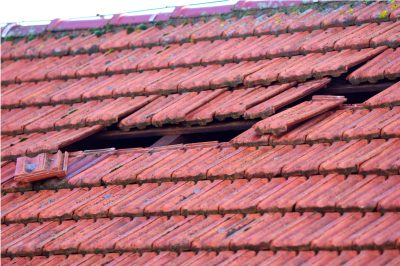
Roof insurance claims are denied due to an act-of-god occurrence to the homeowner’s behavior or thereof. How roof claims fail – the insurers themselves judge claims on the grounds of conditions within a policy, evidence, and the nature of roof damage. Therefore, it is important to learn more about the reasons for claim rejection.
Regular maintenance is a must, as claims can be denied if the damage is considered preventable, such as leaks from clogged gutters. Homeowners should schedule inspections, address small issues promptly, and keep records of all maintenance.
Insurers become skittish when old damage and old materials come into play. In other words, a storm damage claim might be denied if the roof was already weak from prior damage. Regular inspections would identify a problem before it escalates, and with pertinent replacement, the roof could be ready for full coverage for claims to come.
A claim can be in jeopardy right here for lack of good documentation. Insurers live for clear and concrete proof of damage; thus, homeowners should ensure that any damage is photographed or videotaped on the spot, with a timestamp and repair estimates attached.
Many claims get denied in the wake of overlooked exclusions of the policy. Damage caused by some events, for example, floods or hail, might not be included under an insured policy without additional riders. Homeowners, therefore, should carefully read their policies and ask their insurers for clarification.
Delay in the damage report can destroy one’s claim. Most policies insist that claims be filed as soon as possible, as delayed filing leads to the loss of coverage. Immediately after the occurrence of any damage, homeowners should inform their insurers so that their claims remain valid.
Insurance adjusters assess roof damage claims through evidence, policy terms, and circumstances. While they aim for fairness, their priority is limiting payouts, so cooperating fully and providing clear documentation helps homeowners achieve better outcomes.
Adjusters inspect roofs for issues like missing shingles, dents, or leaks. Homeowners can prevent oversights and claim denials by ensuring access, documenting damage, and joining the inspection. A second inspection may help if disputes arise.
Adjusters must confirm that roof damage comes from covered events like hail or wind. Strong documentation—photos, reports, or roofer testimony—supports the claim, while filing on time is critical to avoid automatic denials.
Policy wording heavily impacts claim outcomes, with exclusions like aging roofs often limiting coverage. Clarify uncertainties before filing, and if denied, appeal with additional evidence. Reviewing your policy carefully improves your chances of a fair assessment.
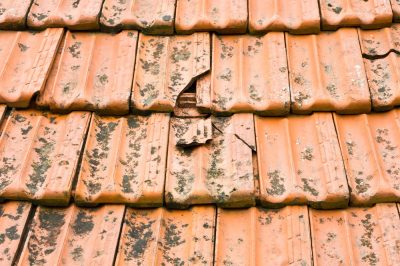
Insurance policy-that it be more involved-as mannered out, there may be so many clauses in the fine print that hunger severed up your chances of putting through a successful claim for roof damage. Knowing the specifics will avoid expensive surprises. Below, we bring to extinction important points for homeowners and property managers.
Every policy comes with a limit on roof damage payouts. If you think that the limit is $10,000 and the actual repairs set you back by $15,000, there really is a $5,000 quality. It is important to regularly update the policy as costs of repairs usually increase with inflation amounts, hence making the underinsurance less likely with the clearing of the dues when the freak weather strikes.
Named peril policies cover specific losses, such as sums insured under fire or hail. If the risk is not listed, such as some water damage, then your claim may be denied. In fact, consider an all-risk policy, especially if you stay along a storm route. Go through your policy every year and ensure it is relevant to your risk.
Some clauses never cover bad material or poor installation. If you have poor shingles that deteriorate early, your claim can be denied. Ensure your roof meets code and understand the overlap between your roof’s warranty and your policy.
While roof insurance claims are often complicated, being aware of the leading, yet unofficial, reasons for denial can promote understanding within the process. Insurers require clear maintenance records, solid proof of damage, and compliance with policy terms and conditions. Small oversights can quickly lead to claim denials, so it’s important to stay informed.
Schedule regular roof checks, document any issues, and review your policy carefully. If you’re unsure about your roof’s condition, consult with us at TurnKey Roofing—proactive steps like these can save time, money, and stress. Reach out to our team today, and let’s make sure your roof and your claim are fully protected.


 Turnkey Roofing Team