Darker roof colors absorb more heat while lighter colors reflect more sunlight, which can influence attic temperature and cooling costs. In New Orleans’ long, humid summers, that difference is noticeable inside the home.
A dark roof can run noticeably hotter on the surface during peak sun, and some of that heat transfers into the attic space below. Homes with well-insulated and ventilated attics feel this effect less than homes where airflow is limited. Color is one factor among several, alongside insulation and ventilation, that determines how much heat actually reaches living spaces.
Lighter shingle colors, sometimes marketed with reflective or “cool roof” technology, can reduce that heat transfer somewhat. The difference is not dramatic on every home, but for homeowners focused on energy costs, it is worth discussing with an estimator during the quote process.
Ventilation plays a larger role than most homeowners expect, sometimes a bigger factor than color itself. A well-ventilated attic moves hot air out before it builds up, regardless of shingle shade, while a poorly ventilated attic traps heat no matter how light the roof looks from the street. TurnKey Roofing Team’s ventilation services page covers how airflow is evaluated on residential roofs.
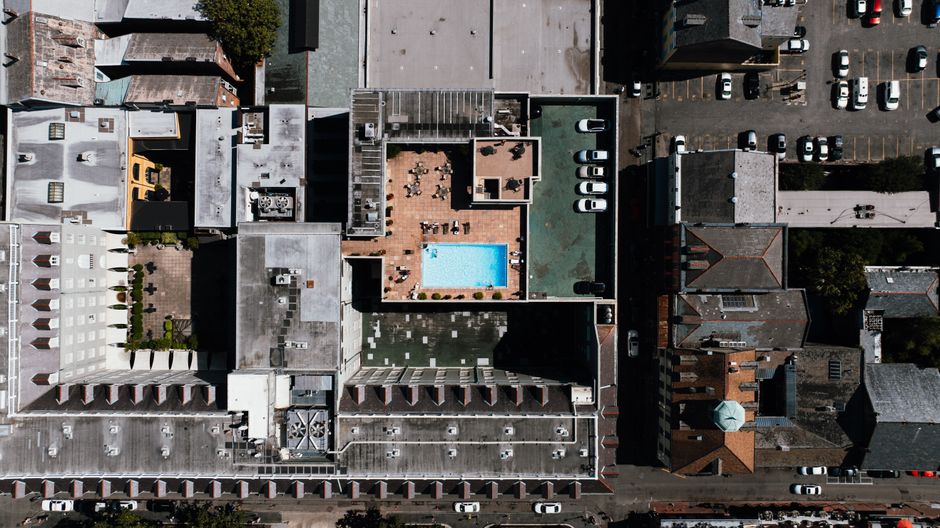
Matching or complementing the roof colors common in your neighborhood tends to support curb appeal and resale value more than an unusual choice. New Orleans neighborhoods often carry distinct architectural character, from Creole cottages to shotgun houses to raised center-hall homes.
Walking or driving through the immediate area before deciding gives a sense of what colors dominate nearby rooflines. A color that stands out too sharply from surrounding homes can look out of place, even if it is a color the homeowner personally likes on its own.
For homes in historic districts, there may be additional guidance or requirements around exterior appearance, including roofing. Checking with the relevant historic district commission before finalizing a color is worth the extra step if the property falls within one of these zones.
Homes on corner lots or along well-traveled streets tend to draw more attention to roof color simply because more people see them from more angles. That visibility is not a reason to avoid a bold choice, but it is a reason to look at samples from multiple vantage points, not just straight on from the front yard.
Neutral roof colors such as charcoal, weathered wood, and slate gray tend to pair well with most brick and siding combinations. Bold or unusual colors can clash with existing exterior materials in ways that are hard to undo once the roof is installed.
Warm-toned brick often pairs well with browns and warm grays, while cooler brick or painted siding tends to work with charcoal, black, or blue-gray tones. Bringing a physical brick sample or paint chip to the estimate helps an estimator suggest shingle colors that will actually complement the house rather than compete with it.
Trim color matters here too. White or light trim against a dark roof creates strong contrast, while trim that closely matches the roof color creates a more blended, low-contrast look. Neither approach is wrong, but it is worth deciding intentionally rather than by accident.
Landscaping and driveway material can shift how a roof color reads as well. A home surrounded by mature greenery often carries darker roof colors well, while a home with a light-colored driveway and minimal landscaping may benefit from a roof that offers more visual contrast against those lighter surfaces.
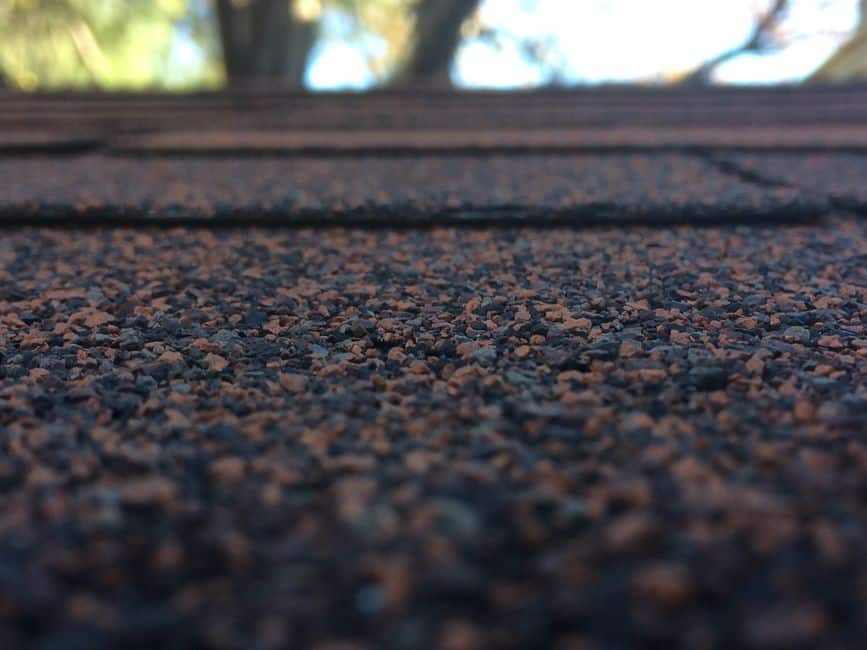
All roof colors weather over time from sun exposure and humidity, but darker colors tend to show fading and streaking more visibly than lighter or variegated colors. A blended or multi-tone shingle can hide some of this natural aging better than a solid, single-tone color.
Algae streaking is common in humid climates like New Orleans and appears as dark streaks running down the roof surface. Many manufacturers now offer algae-resistant shingles, which is a detail worth asking about regardless of which color is chosen. TurnKey Roofing Team’s roofing types page covers material options that hold up well in this climate.
Solid black and solid white roofs, while striking when new, often show wear patterns more clearly over a ten or fifteen-year span than shingles with variegated coloring built into the product.
Ask to see full-size shingle samples on the actual roof, or request photos of the color installed on a similar home, rather than relying on a small paint-chip-sized sample. Small samples can look very different once scaled up across an entire roofline.
Lighting changes color perception throughout the day, so viewing samples in morning, midday, and evening light gives a more accurate sense of how the final roof will look. Many manufacturers also offer online visualizer tools that let homeowners upload a photo of their house and preview different shingle colors digitally.
TurnKey Roofing Team can bring physical samples to a free estimate visit so homeowners can see color options against their own siding, trim, and landscaping before making a final decision.
Color is a permanent decision for the length of the roof’s lifespan, often fifteen to twenty-five years or more, so it deserves a bit more thought than picking whatever is in stock. TurnKey Roofing Team helps New Orleans homeowners weigh style, heat performance, and long-term durability together rather than treating color as an afterthought.
If you are planning a roof replacement and want to see samples in person, call TurnKey Roofing Team at (504) 910-7640 or request a free estimate through the contact page.
Lighter roof colors reflect more sunlight than darker colors, which can modestly reduce heat transfer into the attic. The overall effect on cooling costs depends heavily on attic insulation and ventilation, so color alone is not a guaranteed fix for high energy bills.
Some historic districts have guidelines around exterior appearance, including roofing materials and colors, enforced by a local historic district commission. Homeowners in these areas should check requirements before finalizing a color choice for a roof replacement.
Neutral tones such as charcoal, weathered wood, and slate gray are common choices across New Orleans neighborhoods because they complement a wide range of siding and brick colors. Popularity varies by neighborhood, so checking nearby homes gives a useful local reference point.
Algae streaking can appear on roofs of any color in humid climates, though it tends to show more visibly on lighter shingles. Algae-resistant shingle products are available and worth discussing regardless of which color is ultimately chosen.
A roof color that fits the neighborhood and complements the home’s exterior generally supports resale appeal, while an unusual or clashing color can be a minor drawback for some buyers. Neutral, widely appealing colors tend to be the safer choice if resale is a consideration.
Yes, TurnKey Roofing Team can bring physical shingle samples to a free estimate visit so homeowners can view color options against their own siding and trim in natural light. This is generally more accurate than judging color from a small printed sample alone.
The right color balances curb appeal, heat performance, and how well it fits the neighborhood, and getting there is easier with real samples in hand rather than guesswork.
TurnKey Roofing Team can walk you through available roofing materials and colors for homes across the New Orleans area.
Ready to see samples against your own home? Call TurnKey Roofing Team at (504) 910-7640 or request a free estimate through the contact page.


 Turnkey Roofing Team