A building permit confirms that a roof replacement meets local building codes and wind resistance standards, and it creates an official record of the work. Louisiana’s exposure to hurricanes and high wind events is a major reason roofing permits are taken seriously here.
Permits allow the local building department to verify that materials, fastening methods, and installation practices meet the requirements for the applicable wind zone. This matters both for safety during storms and for insurance purposes, since some carriers ask for permit documentation when evaluating a roof’s age and code compliance.
Skipping a required permit can create problems down the line, including difficulty during a home sale, potential fines, and complications with insurance claims if storm damage occurs on unpermitted work. TurnKey Roofing Team’s post on Louisiana wind zones and the FORTIFIED program explains more about how these codes shape roofing requirements.
Some homeowners assume a permit only matters for large commercial jobs, but residential roof replacements fall under the same basic requirement in most parishes. The scale of the project does not change whether a permit applies, though it can affect how many inspections are scheduled along the way.

In most cases, the licensed roofing contractor pulls the permit on the homeowner’s behalf as part of the project. This is one reason working with a properly licensed contractor matters beyond just workmanship quality.
A contractor’s license number is typically required on the permit application, along with proof of insurance. TurnKey Roofing Team holds Residential License #890459 and Commercial License #3667, which allows the company to pull permits directly for both residential and commercial roofing projects.
Homeowners should confirm during the estimate or contract stage that permit costs are included in the quoted price and that the contractor, not the homeowner, is handling the application. A contractor who avoids pulling permits or suggests skipping the process is a warning sign worth taking seriously.
It is worth asking to see the actual license number listed on any quote or contract and cross-checking it if there is any doubt. This small verification step takes only a few minutes and can prevent a much larger problem if a contractor’s licensing turns out to be inactive or invalid.
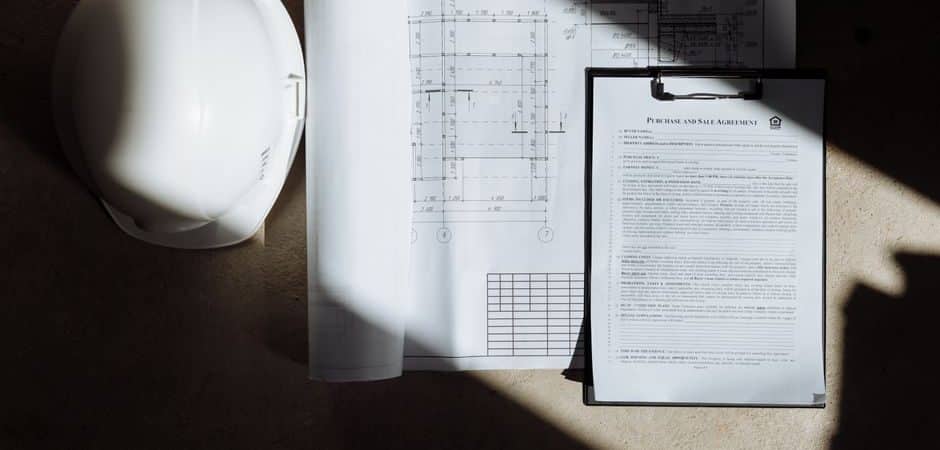
The process typically includes submitting an application with project details, paying the required fee, scheduling inspections, and receiving final approval once work passes review. Timelines vary depending on the local building department’s workload.
After the application is submitted, the building department reviews the scope of work against current code requirements before issuing the permit. Once work begins, one or more inspections are usually scheduled, often including a mid-project inspection for underlayment or decking and a final inspection once the roof is complete.
Weather and building department backlogs, particularly after major storms when permit volume spikes across the region, can extend timelines beyond a typical project schedule. A contractor familiar with the local process can usually give a realistic estimate of how long permitting will add to the project.
Because parish and city requirements differ slightly, a project spanning a jurisdiction boundary, such as a home near the edge of Jefferson and Orleans Parish, may need extra attention to confirm which building department has authority over the permit. An experienced local contractor should already know which office to file with.

An inspector checks that the completed work matches the approved permit application and meets current building code requirements, including proper fastening and flashing. This is a separate check from any inspection the roofing company itself performs.
Inspectors typically look at decking condition, underlayment installation, shingle or material fastening patterns, and flashing at critical points like valleys and penetrations. Depending on the jurisdiction, this may happen at specific stages during construction rather than only at the very end.
If an inspection reveals an issue, the contractor is generally required to correct it before the permit can be closed out. This back-and-forth is a normal part of the process and does not necessarily reflect poor workmanship, though homeowners should ask their contractor for an explanation if a re-inspection is needed.
Homeowners can request written confirmation from the contractor or check directly with the local building department to verify a permit reached final approval. An open or unclosed permit can surface as a problem years later during a home sale.
Ask the contractor for a copy of the final inspection approval or closeout documentation once the project wraps up, and keep it with the rest of the project paperwork alongside the contract, invoice, and warranty information. Many local building departments also offer online permit lookup tools where homeowners can search by address to confirm status independently.
TurnKey Roofing Team provides permit documentation to residential customers as part of standard project completion, so homeowners have a clear paper trail if it is ever needed for a sale or an insurance question.
Permits are not the most exciting part of a roof replacement, but they protect the homeowner in ways that only become obvious later, whether during a storm, an insurance claim, or a future sale. TurnKey Roofing Team handles this step as a routine part of every residential project across New Orleans and the surrounding parishes.
If you have questions about permitting for an upcoming roof project, call TurnKey Roofing Team at (504) 910-7640 or reach out through the contact page for a free estimate.
Requirements vary by jurisdiction and the scope of work involved, with full replacements almost always requiring a permit while minor repairs sometimes do not. A licensed contractor can confirm the specific requirement for your project and location.
Timelines vary based on the local building department’s workload and can extend after major storm events when permit volume increases across the region. A contractor experienced with local permitting can typically provide a realistic estimate for your specific project.
Permit fees are usually included in the project cost quoted by the contractor, though this should be confirmed before signing a contract. Ask specifically whether the quote includes permit fees or lists them as a separate charge.
An open or unclosed permit can complicate a home sale, since buyers and title companies often check permit records during due diligence. Resolving an open permit before listing the home is generally easier than addressing it during a pending sale.
Confirm this independently with the local building department, since permit requirements are set by code, not contractor discretion. A contractor who consistently avoids pulling required permits may not be operating in full compliance with local regulations.
Some insurance carriers request permit documentation when evaluating a roof’s age, code compliance, or eligibility for certain discounts. Keeping permit and inspection records available can make future insurance conversations more straightforward.
Proper permitting protects a homeowner long after the crew has left, whether that shows up at insurance time or when the home eventually sells. It is a standard part of doing the job correctly, not an extra step.
TurnKey Roofing Team pulls permits directly on every applicable residential roofing project, backed by active state licensing.
If you have a roof project coming up and want it permitted and documented properly, call TurnKey Roofing Team at (504) 910-7640 or reach out through the contact page for a free estimate.


 Turnkey Roofing Team