You can usually spot hail damage on shingles by looking for round bruises, cracked mats, or bald spots where granules have been knocked loose, along with dents in vents, flashing, and gutters. Because bruised shingles often look fine from the ground, a close inspection after any hailstorm is the only reliable way to catch damage before it turns into a leak.
Hail moves fast and hits hard, but the marks it leaves on a roof are often subtle. Homeowners can tell if a roof has hail damage by checking for round bruises on shingles and granule loss in the gutters. Small dents on metal vents or flashing are another giveaway after any storm with hail. Damage from even pea-sized hail can weaken a shingle’s protective mat without leaving an obvious hole or tear. That’s why so much hail damage goes unnoticed until a roof starts leaking months later.
TurnKey Roofing Team inspects roofs across the New Orleans area after every hailstorm, checking both obvious and hidden damage before small bruises turn into leaks. Louisiana has logged more than 6,100 hail events since 1955, according to National Weather Service Storm Prediction Center data through 2024, so a post-storm check is rarely a wasted trip. Visit the TurnKey Roofing Team homepage for more on the company’s licensed, insured roofing services and warranty coverage.
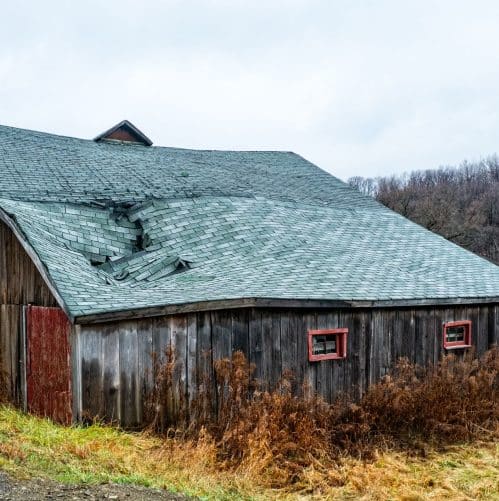
Hail damage on asphalt shingles usually shows up as round, dark bruises where granules are missing, along with soft, spongy spots when the shingle is pressed by hand. Larger hail can crack a shingle’s fiberglass mat outright, and loose granules often collect in gutters and downspouts after a storm.
A shingle’s granules do more than add color to a roof. They shield the asphalt layer underneath from UV rays, and once they’re knocked loose, that spot ages faster and can start leaking within a season or two. Class 4 impact-resistant shingles, rated under the UL 2218 standard, hold up better against hailstones than standard three-tab shingles. That test simulates a 2-inch steel ball dropped from 20 feet, and passing means no cracking in the shingle’s protective backside layer.
Metal components take a hailstorm differently than shingles: vents, flashing, and gutter edges usually show clear dents, while standing seam metal panels may only develop shallow dimpling. Soft metals like pipe boots and drip edge dent more easily than the roofing panels themselves, which makes them a good place to check first.

Look over these spots after any hailstorm:
Flashing damage is worth a second look, since a bent or lifted seam is one of the more common paths water takes into a roof deck after a storm. The role flashing plays in roof protection is bigger than most homeowners realize. A five-minute walk around the exterior after a storm often reveals more than checking shingles alone.
Not sure if last night’s storm left a mark on your roof? Call TurnKey Roofing Team at (504) 910-7640 for a free hail damage inspection before small bruises turn into a bigger repair.
Hail damage often hides because a bruised shingle can look normal from the ground while its mat is already fractured underneath. That hidden weakness doesn’t turn into a leak for months, sometimes not until the next storm season arrives. Humidity and heat in the New Orleans area speed up the breakdown once a shingle’s protective layer is compromised.
Ignoring a hailstorm because nothing looks obviously wrong is one of the more common ways small damage grows into a bigger repair. The same pattern shows up in what happens if you ignore roof repairs, where skipping a post-storm check often leads to a bigger bill later. Water finds the weakest point eventually, whether that’s a bruised shingle mat or a nail pop nobody noticed.
A roof should be inspected within a few days of any hailstorm, especially one with quarter-inch hail or larger. Early inspection catches damage before rain, wind, or sun exposure make a small bruise worse. Waiting weeks or months makes it harder to prove the damage came from that specific storm.

Residential roofing services include storm inspections that check shingles, flashing, and vents in one visit, along with dedicated hail damage roof repair for homes across the New Orleans area. Parishes like Jefferson, St. Tammany, and Orleans see enough spring and summer hail activity that a yearly storm-season check is worth scheduling ahead of time. Inspectors look over the roof from a ladder and often check the attic for shifted insulation, daylight through the decking, or fresh staining. A same-week inspection puts homeowners in a stronger position if they later decide to file an insurance claim.
Good documentation means photographing every damaged shingle, vent, and gutter section, keeping a log of the storm date, and requesting a written inspection report from a licensed roofer. Louisiana homeowners generally have one year from the date of loss to file a hail damage claim, so early photos and records matter.
Insurance adjusters look for consistent, storm-specific damage rather than gradual wear, so photos taken right after the hailstorm carry more weight than ones taken months later. The roof insurance claims process moves faster when a homeowner already has dated photos and a contractor’s written report in hand. Claims can still be denied for reasons that have nothing to do with the actual damage, a pattern covered in the most common reasons roof insurance claims are denied. Under Louisiana Revised Statute 22:868, insurers can’t shorten a policyholder’s right to sue below the statutory window, extended to two years for losses on or after July 1, 2024.
The next step after spotting hail damage is scheduling a repair estimate quickly, since a compromised shingle mat or dented flashing only gets worse with the next heavy rain. Hail is just one of several weather events that stress a roof over time, alongside wind, humidity, and UV exposure.
A roof already stressed by one hailstorm has less reserve capacity for the next one, whether that’s a summer thunderstorm or a tropical system moving through the Gulf. The ways weather affects a roof go beyond hail alone, and repairing storm damage early keeps a roof’s lifespan on track. Homeowners who repair promptly also tend to have an easier time with future insurance claims, since the roof’s condition stays documented and consistent.
Hail as small as one inch in diameter, about the size of a quarter, can bruise asphalt shingles and dent soft metals like gutters and vents. The National Weather Service classifies hail one inch or larger as severe, the size most likely to cause visible roofing damage.
Yes, a hailstone can fracture a shingle’s fiberglass mat without tearing the surface granules, leaving damage that’s easy to miss from the ground. Roofers test suspect shingles by hand, since UL 2218 impact standards focus on backside cracking that isn’t always visible from above.
Louisiana homeowners generally have about one year from the date of loss to file a claim, and Louisiana Revised Statute 22:868 sets the broader legal window for disputes. For losses on or after July 1, 2024, that window extends to two years, so prompt documentation still matters most.
No. A Class 4 rating under the UL 2218 test means a shingle resisted a 2-inch steel ball dropped from 20 feet without backside cracking, but very large hail can still cause damage. These shingles simply lower the odds of a claim compared to standard three-tab shingles.
Walk the exterior and photograph shingles, gutters, vents, and flashing before cleaning up any debris, since insurers want to see storm-specific damage. Scheduling an inspection within a few days, especially in storm-prone parishes like Jefferson or St. Tammany, gives the clearest record.
It depends on the insurer, but a single weather-related claim such as hail typically affects renewal rates less than claims tied to neglect or repeated issues. The Louisiana Department of Insurance oversees how carriers use claims history when setting premiums.
Catching hail damage early protects a roof’s lifespan and keeps insurance claims moving smoothly. TurnKey Roofing Team is licensed and insured, and every replacement includes a 50-year non pro-rated warranty plus a 15-year Unlimited Wind Warranty that covers named storms.
Request your free estimate or call (504) 910-7640.


 Turnkey Roofing Team