Repair your roof when the damage is isolated, the roof is under roughly 15 years old, and the deck underneath is still solid. Replace it when damage covers more than 25% of the roof area, repairs keep recurring, or the roof is close to the end of its material’s expected lifespan.
A repair fixes one specific problem, such as a section of cracked shingles or a leaking flashing joint, while the rest of the roof stays in place. A full replacement strips the roof down to the wood deck and installs an entirely new system, which resets both the material’s expected lifespan and its warranty coverage.
Repairs are typically faster and cheaper because a crew works on a small, defined area. A replacement takes longer since it involves removing old materials, checking the deck for rot, and installing new underlayment, flashing, and shingles or panels across the whole structure.
Deciding between the two starts with an honest inspection, not a guess from the ground. TurnKey Roofing Team and other licensed contractors evaluate the deck, the age of the materials, and the pattern of damage before recommending a repair or a full residential roofing replacement.
Standard three-tab asphalt shingles generally last 15 to 20 years, while architectural shingles run 25 to 30 years under normal conditions. A roof in the first half of that range is usually a good repair candidate, but one nearing the end of its expected life is a better candidate for full replacement.
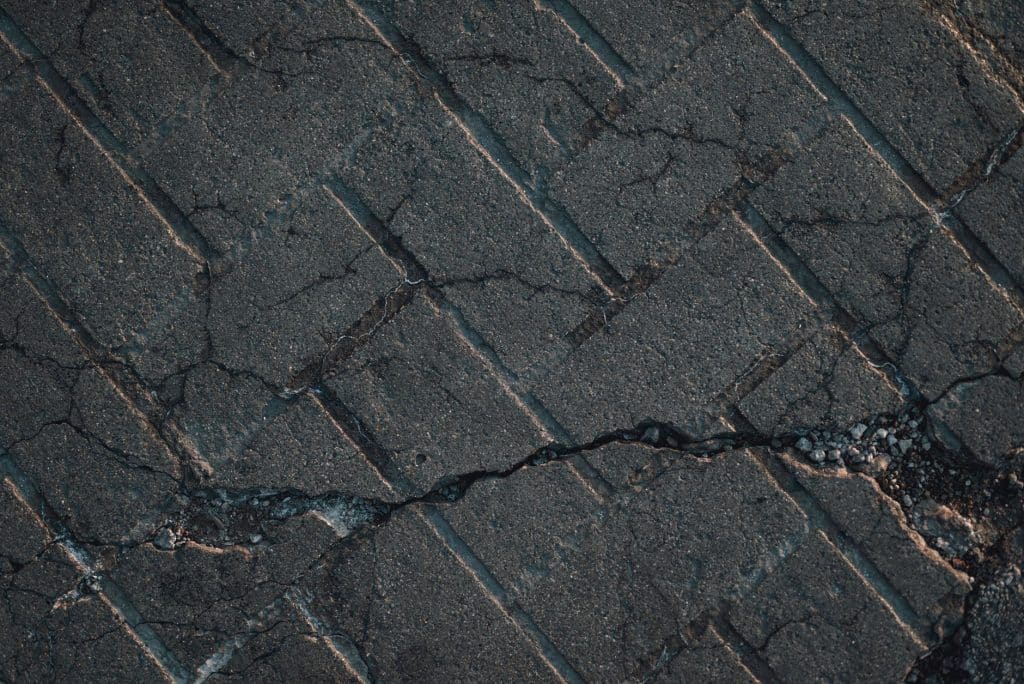
Heat, humidity, and repeated storm exposure along the Gulf Coast tend to shorten these ranges compared to drier climates. A roof that looks 20 years old from granule loss and brittle shingles may already be past the point where a patch will hold for long.
Homeowners weighing this decision can compare their roof’s age against typical ranges by material type in TurnKey’s guide to the lifespan of different roofing materials. Once a roof passes 80 to 90 percent of its expected life, most contractors recommend planning for replacement rather than repeated repairs.
If you are unsure which category your roof falls into, a licensed inspection settles the question quickly. Call (504) 910-7640 to schedule a roof evaluation before committing to either option.
Many building departments and insurers apply what’s known as the 25% rule: once damage or deterioration affects more than 25% of the roof’s surface area, code requirements typically call for a full replacement instead of a partial repair. Below that threshold, a targeted repair to the damaged section is usually acceptable.
This threshold traces back to provisions in the International Building Code and International Residential Code, specifically IBC Section 1511.3 and IRC Section R908.3, which govern when roof recovering or replacement is required. Louisiana adopted the 2021 versions of the IBC and IRC as its state uniform construction code, effective in 2023, so the same general framework applies to homes across the state.
A roof with a single damaged slope or a small area of missing shingles usually stays under that 25% mark, making it a solid candidate for a focused repair through residential roof repairs. Widespread granule loss, multiple failed sections, or storm damage across most slopes usually pushes a roof past the point where partial work makes sense.
A roof that has needed the same type of repair two or three times in a few years is usually signaling a bigger problem than the surface suggests. Repeated leaks often mean water has already reached the decking, and once decking rot sets in, patching the surface stops solving anything.

Each repair on a chronically leaking roof adds up, and the total can eventually exceed what a full replacement would have cost. TurnKey’s breakdown of common roofing problems covers many of the issues, like failed flashing or ventilation gaps, that tend to cause repeat leaks in the same spot.
Once a contractor lifts shingles and finds soft, discolored, or spongy decking, replacement becomes the safer path. A full residential roof replacement addresses the rotted structure underneath, not just the visible symptom on top.
If you plan to list your home within the next year or two, roof condition often comes up during a buyer’s inspection or the lender’s appraisal. A roof with isolated, well-documented repairs rarely stops a sale, but an aging roof with a pattern of leaks can slow negotiations or reduce your asking price.
Sellers sometimes assume a full replacement is required before listing, but that is not always true. A roof with several years of remaining life and no active leaks can often be disclosed honestly and repaired as needed, without the cost of a full tear-off.
Where the roof is genuinely near the end of its life, replacing it before listing can prevent inspection surprises and buyer negotiations later. Either way, keep receipts and inspection reports so buyers and their lenders can see exactly what work was done and when.
Four factors carry the most weight in this decision: roof age, how much of the roof is damaged, whether leaks keep recurring in the same area, and whether you plan to sell soon. Weigh all four together rather than deciding on any single factor alone.
| Factor | Leans Toward Repair | Leans Toward Replacement |
|---|---|---|
| Roof age | Under 15 years, or well within material’s expected life | Near or past expected lifespan for the material |
| Damage extent | Isolated section, under roughly 25% of roof area | Widespread damage covering more than 25% of the roof |
| Leak history | First leak, or a single documented incident | Same area repaired two or more times, or decking rot found |
| Plans to sell | No active leaks, roof has documented repair history | Roof near end of life or with recurring issues before listing |
Some situations fall in between, and a partial reroof of just the worst-affected slope can make sense when damage is concentrated on one side of the house. If you do move forward with a full replacement, most homeowners can stay in their house throughout the project, as covered in can you live in your home during a roof replacement. Once you settle on replacement, a little planning around the crew’s schedule goes a long way, which is covered in how to prepare your home for a roof replacement.
A repair usually covers a small area, like a section of asphalt shingles or a flashing joint, so it costs a fraction of full replacement. A complete tear-off and replacement covers the entire roof system, costs significantly more upfront, but resets the roof’s full expected lifespan.
Yes, in most cases. The International Residential Code generally allows repairs to a damaged section as long as the affected area stays under about 25% of the total roof surface, subject to local building department rules.
Age-related wear shows up as even granule loss and brittle shingles across the whole roof. Storm damage along the Gulf Coast tends to appear as bruising, cracked mats, or torn shingles concentrated on one slope, often after a specific wind or hail event.
It depends on remaining life and damage extent. A 12-year-old architectural shingle roof with one isolated leak is often worth repairing, but a roof of the same age with repeated leaks and soft decking usually costs less over time to replace outright.
Storm damage should be inspected and addressed as soon as possible, ideally before the next rain event. Delayed repairs in New Orleans often let water reach the decking and insulation, turning a simple patch into a much larger and more expensive repair.
It depends on the policy and the extent of damage. Many insurers apply the same 25% threshold used in building codes, covering a full replacement once documented damage exceeds that share of the roof, and only the damaged section otherwise.
Whether your roof needs a targeted repair or a full replacement, a clear inspection is the only way to know for sure. TurnKey Roofing Team is licensed and insured, and every replacement is backed by a 50-year non pro-rated warranty and a 10-year workmanship warranty.
Request your free estimate or call (504) 910-7640.


 Turnkey Roofing Team