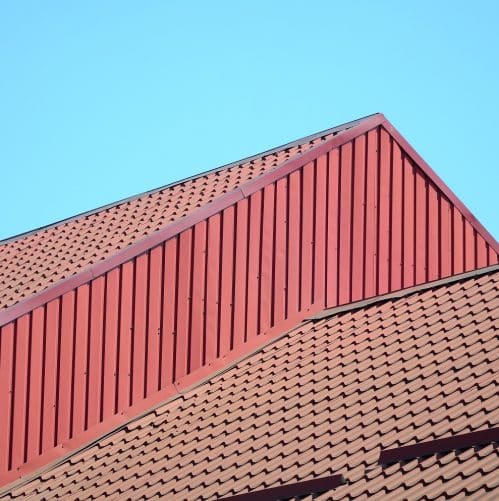
Roof ventilation matters because it moves hot, moist air out of the attic before it damages shingles, feeds mold, or drives up cooling bills. In Louisiana’s heat and humidity, a balanced intake and exhaust system is one of the few upgrades that protects a roof from the inside out.
Roof ventilation matters in Louisiana because the state’s combination of intense summer heat and near constant humidity traps warm, moist air inside attics faster than in most other regions. Without working intake and exhaust vents, that trapped air heats shingles from underneath, feeds mold growth, and pushes cooling costs higher every month. New Orleans summers regularly produce dew points in the mid-70s, among the highest recorded in any major U.S. city as of 2025. That moisture load does not stop at the walls. It settles into attic spaces and lingers unless air keeps moving. Older homes throughout Gentilly, Lakeview, and other historic New Orleans neighborhoods often still rely on the vent styles installed decades ago, which rarely meet today’s airflow needs.
Crews at TurnKey Roofing Team see the same pattern on inspections across the New Orleans area: attics with blocked soffits or missing exhaust vents run far hotter and damper than properly vented ones. Wood framing exposed to repeated humidity swings warps over time, insulation loses effectiveness once it gets damp, and shingle warranties can be denied if a manufacturer determines airflow never met its minimum standard.
Poor attic ventilation damages a home in three connected ways: it overheats the roof deck and shingles, it lets humid air condense into wood-rotting moisture, and it drives up energy bills as air conditioners fight heat radiating down from the attic floor. Each problem speeds up the others once airflow stalls. A stagnant attic can climb well above the outdoor temperature on a sunny Gulf Coast afternoon, and that heat bakes the oils out of asphalt shingles years before they should fail. Roofers who inspect attics after a Louisiana summer often find warped decking and rusted fasteners where airflow never reached, long before any leak becomes visible.

Moisture is the quieter threat. Humid air that cannot escape condenses on the underside of the roof deck, on rafters, and on ductwork, creating conditions for mold and rot that often go unnoticed until stains appear on a ceiling. Many of the issues covered in TurnKey’s post on understanding common roofing problems trace back to an attic that never had the airflow it needed.
The clearest warning signs of poor attic ventilation include an attic that feels far hotter than the outdoors, visible mold or staining on the roof deck, shingles that curl or blister early, damp insulation, and cooling bills that spike each summer without another cause. Any one of these on its own is worth a look. Several together usually mean intake and exhaust vents are blocked, undersized, or missing entirely.
If any of these signs sound familiar, a quick call can save a lot of guesswork. Reach the TurnKey Roofing Team at (504) 910-7640 to schedule an attic and roof ventilation check before the next heat wave sets in.
Intake and exhaust vents work as a matched pair: soffit or eave vents pull cooler outside air in low, while ridge or roof-level vents let hot, moist air escape at the top, creating continuous airflow instead of trapped pockets. Building codes reflect how much that balance matters. The International Residential Code calls for 1 square foot of net free ventilating area for every 150 square feet of attic floor, a ratio that improves to 1:300 only when intake and exhaust are properly balanced and a vapor retarder is installed. Skipping that ratio does not just risk a code violation, it also leaves moisture with nowhere to go as temperatures swing between humid afternoons and cooler nights.

Roofs with spray foam insulation applied directly to the underside of the deck follow a different set of rules entirely, since that method seals the attic rather than venting it. TurnKey’s earlier post on whether spray foam insulation is a good choice for your roof covers when that unvented approach makes sense and when standard ventilation is still the better call. Mixing the two approaches without a plan is one of the fastest ways to trap moisture instead of clearing it.
Balanced ventilation lowers attic temperature, which reduces the load on air conditioning equipment and slows the heat damage that ages asphalt shingles early. A cooler attic means less heat radiating through the ceiling into living space, so HVAC systems cycle less often during the long Gulf Coast cooling season that runs roughly May through October.
Shingle materials respond directly to heat exposure. TurnKey’s guide to the lifespan of different roofing materials explains how asphalt, metal, and tile each handle sustained heat differently, and ventilation is one of the few variables a homeowner can still control after installation. A roof rated for 25 to 30 years can fall well short of that mark when the attic beneath it never gets a break from trapped heat.
Regular roof and attic maintenance keeps ventilation working by clearing blocked soffit vents, replacing damaged vent covers, checking for pest nests, and confirming insulation has not shifted to cover intake openings. None of that requires a full roof replacement. Pest damage to vent screens is common in this region, since wasps, birds, and rodents look for any opening once cooler weather sets in. A once-a-year check, ideally before summer, catches most problems while they are still small and inexpensive to fix.
TurnKey Roofing Team’s residential roofing services include ventilation inspections alongside repair and replacement work, and the team’s ventilation services page covers the intake and exhaust upgrades most Gulf Coast homes need. The reasoning lines up with what TurnKey has written before about why regular roof maintenance saves you money in the long run: small fixes now cost far less than the mold remediation, insulation replacement, or early reroofing that neglected ventilation eventually forces.
Most homes need 1 square foot of net free ventilating area for every 150 square feet of attic floor, per the International Residential Code, or 1:300 when intake and exhaust are balanced with a vapor retarder. A licensed roofer can measure your attic to confirm the right ratio.
Yes. Vents installed without balancing intake and exhaust can pull conditioned air from the living space or let wind-driven rain enter during a Gulf Coast storm. A ridge vent without matching soffit intake often performs worse than no vent at all.
An annual check before hurricane season, plus a look after any major wind event, catches most blocked vents, pest damage, or storm debris early. New Orleans’ long, humid cooling season makes ventilation problems progress faster than in drier climates.
Closed-cell spray foam applied to the roof deck creates an unvented, conditioned attic, which follows different code requirements than a traditional vented attic. Mixing spray foam with standard soffit and ridge vents without a plan can trap moisture instead of removing it.
Many asphalt shingle manufacturers require documented, code-compliant attic ventilation as a condition of their warranty coverage. Homeowners who skip ventilation upgrades during a reroof risk having a legitimate manufacturer defect claim denied later.
A ridge vent runs along the peak of the roof and lets hot, moist air exhaust out from the highest point in the attic. A soffit vent sits under the roof’s eaves and pulls in cooler outside air, completing the intake and exhaust cycle.
Balanced attic ventilation keeps summer cooling bills down, protects shingles from premature aging, and stops moisture problems before they start. TurnKey Roofing Team is licensed and insured, and every roof the team installs is backed by a 50-year non pro-rated warranty and a 10-year workmanship warranty.
Request your free estimate or call (504) 910-7640.


 Turnkey Roofing Team