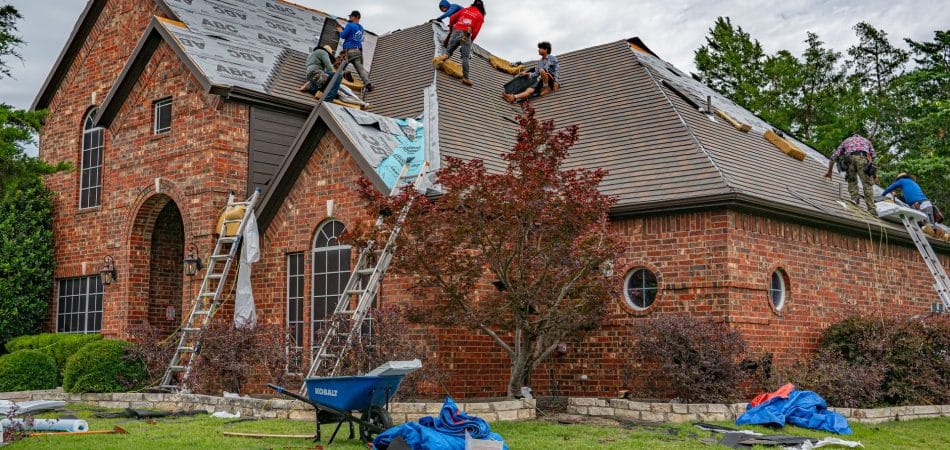
A typical roof replacement day starts with tear-off of the old material, moves through a deck inspection and underlayment install, then finishes with the new roofing material, cleanup, and a magnetic sweep for stray nails. Most residential jobs finish in a single day, though larger homes or complex roofs can take longer.
Before tear-off begins, the crew protects landscaping and windows near the house, sets up a dumpster or debris trailer, and confirms the material delivery matches your order. This setup phase usually takes less than an hour but matters for keeping the site organized all day.
Tarps go over shrubs, AC units, and any outdoor furniture near the drop zone. If you have a pool nearby, most crews will cover it as well to keep debris out. This is also when the crew reviews access points and confirms where materials will stage on the property.
Vehicles should be moved out of the driveway before work begins, since falling debris and staged material can block access or risk paint and windshield damage. Most contractors will remind you of this the day before, but confirming parking arrangements ahead of time avoids a delay on the morning of the job.
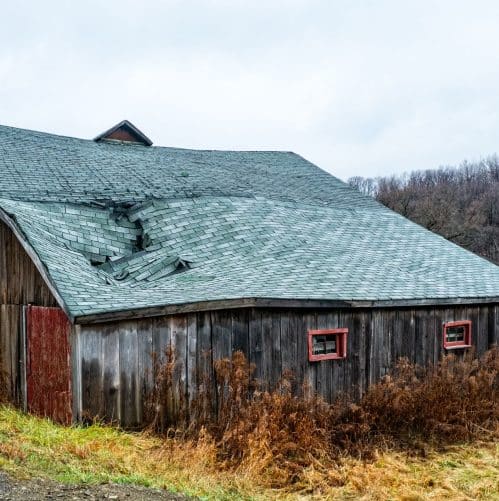
Tear-off means stripping the old roofing material down to the deck, which lets the crew see the actual condition of the wood underneath before anything new goes on. This step reveals problems that were invisible from the ground, like rot, soft spots, or old water damage.
If deck damage is found, this is the point where your contractor should call you before proceeding, since replacing bad decking usually adds cost beyond the original estimate. A reputable contractor documents this with photos so you can see exactly what was found and fixed.
Deck rot is more common than most homeowners expect, especially in humid Gulf Coast climates where trapped moisture under old shingles goes unnoticed for years. Finding it during tear-off, rather than leaving it hidden under a new roof, protects the entire investment you are making in the replacement.

After the deck is confirmed sound, the crew installs a water-resistant underlayment, adds flashing at valleys and penetrations, then installs the new roofing material starting at the lowest edge and working upward. Each layer plays a specific role in keeping water out.
Synthetic underlayment has largely replaced older felt paper because it resists tearing and handles humidity better during install. Flashing goes in around chimneys, vent pipes, and skylights, since these transition points are where leaks most often start on an otherwise sound roof.
For homes choosing different roofing material types, installation sequence varies slightly, but the underlying principle of building layers from the deck outward stays the same across shingle, metal, and tile projects.
Ridge vents and other ventilation components typically go in near the end of installation, since they need to tie into the completed roofing surface. A crew experienced in your specific material knows the correct order for these final details, which affects both appearance and long-term attic airflow.
A thorough crew removes all debris, runs a magnetic sweep across the yard and driveway to catch stray nails, and does a final walk-around with you before leaving the property. This step protects your family, pets, and vehicle tires from leftover fasteners.
TurnKey Roofing Team treats cleanup as part of the job, not an afterthought, since a messy job site is often a sign of rushed work elsewhere too.
Ask your contractor whether they use a magnetic sweep at the end of every job, not just larger projects. A thorough crew treats this step as standard practice on any residential replacement, regardless of the roof’s size, since a single stray nail in a driveway can still cause a flat tire.

Most single-family residential roofs replace in one day, though steep pitches, multiple layers of old material, or complex rooflines with many valleys can extend the project into a second day. Weather can also push a scheduled date, since roofing crews avoid installing in active rain.
Larger homes with multiple roof planes, dormers, or a steep pitch naturally take longer than a simple single-story ranch layout. Ask your contractor for a realistic time estimate specific to your roof’s size and complexity rather than assuming every project wraps up by evening.
Keep pets inside a closed room away from the work area for the full day, not just during the loudest portions. Crews move ladders and materials around the entire perimeter of the house, and an escaped pet near an active job site creates a hazard for everyone involved.
Interior items on the top floor, like art on the wall or fragile items on shelves, can shift slightly from the vibration of tear-off and nailing. Taking a few minutes beforehand to secure anything breakable near the attic level is a small step that prevents an easy accident.
Before replacement day arrives, reviewing how to prepare your home for a roof replacement helps the day go smoothly, from moving vehicles to securing anything fragile inside near the attic. If you plan to stay home during the work, living at home during a roof replacement covers what to expect from the noise and activity.
Homeowners exploring an upgrade beyond standard code minimums sometimes ask about the FORTIFIED Roof standard developed by IBHS, which some Louisiana homeowners pursue voluntarily through the state’s Fortify Homes grant program for stronger wind resistance.
Ask your contractor to walk through the specific sequence planned for your roof before the crew arrives. Knowing what to expect at each stage, from tear-off through final cleanup, makes the day feel far less chaotic and helps you plan around the noise and activity with your family or pets.
You do not need to be home the entire day, but being available by phone helps if the crew finds deck damage that needs your approval before proceeding with repairs.
Crews typically pause and cover exposed sections with tarps until the rain clears. Roofing material should not be installed during active rain, since moisture trapped under new layers can cause problems later.
Loose nails and staples fall during tear-off and installation. A magnetic sweep across the yard and driveway catches stray metal before it can injure someone or damage a vehicle tire.
A reputable contractor stops, documents the damage with photos, and contacts you before replacing the affected decking. This step protects the new roof from being installed over a weak foundation.
It is loud, especially during tear-off and nailing. Pets can get anxious from the noise and vibration, so many homeowners plan to keep animals in a quieter part of the house or elsewhere for the day.
TurnKey Roofing Team is licensed and insured (Residential #890459) and backs qualifying installs with a 50-year non-prorated warranty and 10-year workmanship warranty.
Request your free estimate or call (504) 910-7640.


 Turnkey Roofing Team