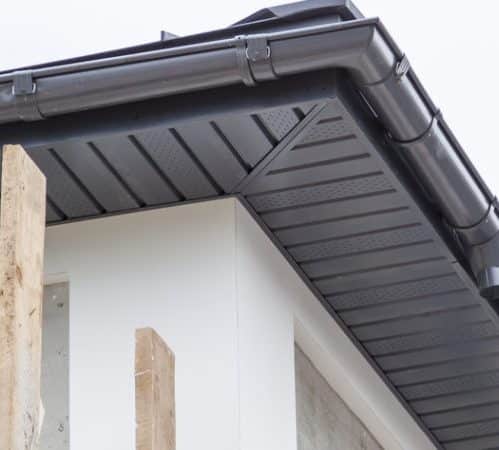
Preventing common causes of commercial roof leaks is crucial for maintaining your property’s integrity and avoiding costly repairs. One major issue is aging materials. As roofs age, they can become brittle and lose their ability to protect against water intrusion. Regular inspections can help identify wear and tear before it leads to leaks.
Let’s take care of your roofing concerns together. Reach out to us at TurnKey Roofing Team, and we’ll make sure your roof stays strong and worry-free.

A leaking roof can mean costly repairs and disruption of operations for property owners and managers. The following causes can be described as the main causes of commercial roof leaks.
Unsealed joints are usually left by inexperienced contractors, making a roof weak. Not following the manufacturer’s recommendations can also hamper the roof’s performance, thereby making it necessary to carry out quality control checks at the time of installation.
Roof materials lose their strength against water under environmental stresses of UV, rainfall, and temperature cycles, all of which occur along a certain age timeline. Hence, if inspections are carried out regularly and any aging component is replaced in time, further deterioration would be avoided.
Flashing protects roof edges and joints but can slip, corrode, or crack, allowing water to seep through. Regular inspections keep it watertight. Roof membranes also weaken from foot traffic and UV exposure, but a protective coating can extend their lifespan.
Ensure these penetrations are well-sealed: HVAC units, acrylic skylights. These unsealed penetrations are a risk for an increased chance of a leak; hence, they need to be checked periodically.
Commercial roofs face continuous threats from environmental and weather attacks. Recognition of these problems will help with roof leak prevention.
Clogged drains are a major risk during thunderstorms, as they prevent rainwater from draining properly and lead to dangerous pooling. Standing water adds weight to roofs and seeps through weak points, causing leaks. This is especially critical for flat roofs, where heavy rainfall quickly overwhelms drainage systems. In rain-prone areas, adding extra drains or scuppers is strongly recommended.
High winds can slide off shingles or tear single-ply roofing membranes open to moisture attack. Wind-forced debris in the form of branches or inadequately tied objects can introduce punctures or ruptures into roofing materials, manifesting in acute weakness. Roof edges and flashings are especially vulnerable as the fastenings from gusty winds can pull loose.
So, securing stray materials would be an effective compromise for this more intense damage.
Over the years, the prolonged exposure of roofing surfaces to UV rays would lead to the deterioration of the surface, aging, and cracking. UV-resistant coatings prolong the life of single-ply membranes. Light-colored roofing materials, such as TPO or cool roofs, can further counter UV impacts and energy costs.
Design and structural defects induce commercial roof leaks. Carelessly conceived or poorly implemented, a construction practice undermines a roof’s ability to control water and resist nature’s forces, thus costing a fortune.
Water pooling can cause havoc to a roof. Drainage is therefore key in keeping water from the roof. Tall and improperly placed drains stand a slim chance of draining away water during heavy rainfall in storm-prone areas. Maintenance schedules could assist; however, older systems will need to be worked up: drainage scuppers or internal drains would be the answer for swifter removal from the top.
The water standing on the flat roof is a problem when its depth exceeds at least a few inches, since it puts a load upon the structure. This prolonged ponding accelerates the wearing down of materials before leaks set in. Sloping or tapered insulation can be installed to direct the water into the drains so as to prolong the life span of the roof and minimize the chances of collapse.
A sloped flat roof that fails is incapable of draining water, thus leading to pooling and leaking. The angle is important because this slope directs water towards its drains. Many older roofs do not have that great a slope and are prone to damage.
Thin or inadequately applied membranes are a common factor for leaking, further aggravated by extreme weather. Using good waterproofing material and proper application could positively influence the performance and minimize leaks.
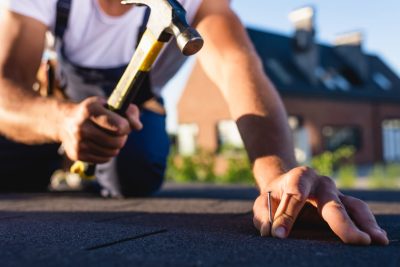
Ignoring roof leaks can lead to serious problems—from structural damage and mold growth to rising repair costs and business disruptions. Taking care of leaks early keeps your building safe, your operations running smoothly, and your expenses under control.
Water penetrates through the roof and weakens its supports, thereby causing safety concerns and challenges for the integrity of the building.
When water accumulates and spreads, mold sets in, polluting the air and requiring professional remediation.
If the repairs are assumed to be minor now, and if they are not attended to, they may become extensive repairs or complete replacements later on. Routine maintenance is, in fact, a lot less expensive than extensive repair works.
Water leaks would damage inventory and equipment, affecting tenant satisfaction and resulting in some loss of income. The quicker we fix those leaks, the smoother business operations will flow.
Roof leaks only get worse if ignored, whether from drainage issues or wear and tear. Regular maintenance and inspections can prevent costly damage and give you peace of mind. At TurnKey Roofing Team, we’ll help keep your business roof strong and dependable.
Protecting your roof means protecting your property, employees, and profits. Contact us today, and let’s take care of your roofing needs with solutions you can trust.


 Turnkey Roofing Team