Slate and tile roofs New Orleans homes have carried since the 1700s trace back to fire ordinances passed after two fires nearly leveled the city. Slate and clay tile resist flame, shrug off heat and humidity, and can outlast the home beneath them, which is why the Historic District Landmarks Commission still protects them today.
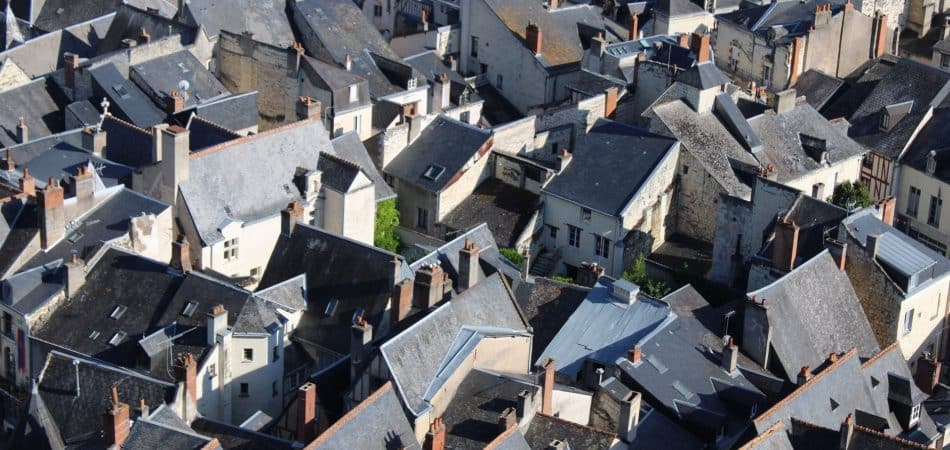
Walk through the French Quarter or the Garden District and look up. Many of the oldest houses in New Orleans still wear the same style of roof that covered them well over a century ago. Slate and tile roofs New Orleans buildings have used since colonial times were not a style preference. They came out of hard lessons about fire, and they stayed because they handle this city’s climate better than almost anything else. From Creole cottages to raised center-hall homes, these roofs are part of what makes the historic districts look the way they do.
TurnKey Roofing Team works on these roofs across the New Orleans area, from small shotgun houses to larger historic properties near our homepage service list. Slate and tile repair calls for different skills than a typical shingle job, and getting it wrong can mean a denied Certificate of Appropriateness or a roof that fails again in a few years. The sections below cover where these roofs came from, what local rules require, and how to keep one in good shape.
New Orleans required slate and tile roofs after two catastrophic fires, one on March 21, 1788, that destroyed 856 of the city’s roughly 1,100 buildings, and a second on December 8, 1794, that burned much of what had just been rebuilt. City regulations passed in May 1788 mandated brick or stucco-covered walls and tile or slate roofs to stop fire from spreading building to building.
Before those fires, most French Quarter structures were wood-framed with wood-shingle roofs. A single spark could jump from one steep roofline to the next in minutes, and that is exactly what happened in 1788. City leaders responded with rules that changed the neighborhood’s appearance for good.
The new ordinance pushed builders toward masonry walls and fire-resistant roofing, and slate and clay tile became the standard for anyone rebuilding in the burned districts. That decision is why so many 18th and 19th century homes in the French Quarter and nearby neighborhoods still carry these materials today.
Slate and clay tile handle Gulf Coast heat, humidity, and storm exposure better than most modern materials because they do not absorb moisture, do not rot, and reflect a large share of solar heat away from the attic. Both materials also last far longer than asphalt shingles when installed and maintained correctly.

Natural slate can last 100 to 150 years or more, and well-maintained clay tile commonly lasts 50 to 100 years, according to roofing industry lifespan data. Compare that to a typical asphalt shingle roof, which needs replacing every 20 to 30 years in a humid climate. Homeowners can see how these materials stack up on our guide to roofing material lifespans.
Heat and humidity are hard on organic roofing materials, but slate and fired clay do not swell, warp, or grow mold the way wood shingles once did. That resistance is part of why the Historic District Landmarks Commission still favors these materials on protected buildings. Anyone weighing options can browse the full roofing types installed and repaired across the region.
If your historic home’s roof is showing granule loss, slipping tiles, or water stains in the attic, do not wait for a small problem to become a bigger repair bill. Call (504) 910-7640 for an inspection before storm season tests the roof further.
Homes inside New Orleans’ local historic districts, including the French Quarter and Garden District, need a Certificate of Appropriateness from the Historic District Landmarks Commission before most roof work can begin. The HDLC’s revised roofing guidelines, effective since May 8, 2022, generally require matching the original slate, tile, or approved substitute material rather than switching to something like standing seam metal.
The Certificate of Appropriateness process reviews the proposed roofing material, color, and profile against what the district originally used. Standing seam metal roofing is typically not approved as a replacement for slate or tile in these districts, even when the existing roof is failing badly.
For a homeowner choosing between materials for the first time, it helps to understand what each option involves before applying for approval. Our guide to choosing the right roofing material covers questions worth asking before you file paperwork with the city. Local tile roofing services work within these rules regularly on Garden District and Uptown properties.
Repair usually makes sense when less than 15 to 20 percent of the slate or tile is cracked, slipped, or missing and the underlying deck and flashing are sound. Full replacement becomes the better option once the deck has rotted, the roof has widespread failures, or matching salvaged material is no longer available in enough quantity.

Slate and tile are heavy. A full slate roof can weigh four to six times more than asphalt shingles, so any repair or replacement needs a structural check first, especially on older framing that was never engineered for today’s building loads. This matters more on homes that have already had other historic materials removed or replaced over the decades.
Older New Orleans homes sometimes carry other legacy materials alongside original slate or tile, and some of those layers require specialized handling before any roof work starts. Our page on the process and benefits of asbestos roof removal explains what that inspection and removal process looks like. TurnKey’s slate roofing services team handles both antique slate matching and full tear-offs when repair is no longer realistic.
Slate and tile roofs need less frequent attention than asphalt shingles, but skipped maintenance still shortens their life. Annual inspections, prompt flashing repairs, and careful foot traffic during any roof work protect both the material and the historic character the HDLC requires you to preserve.
Keep these points in mind for a historic slate or tile roof:
Choosing the right approach the first time saves money and preserves your Certificate of Appropriateness standing with the city. Our post on choosing the perfect roof for your needs walks through decisions that apply to historic homes as much as new builds.
No. Only homes inside the local historic districts, such as the French Quarter and Garden District, need a Certificate of Appropriateness from the Historic District Landmarks Commission before roof replacement or major repair.
The Great New Orleans Fire of March 21, 1788, destroyed 856 buildings in a city built largely of wood. City ordinances passed months later required brick walls and slate or tile roofs to prevent another fire from spreading so quickly.
Generally no. Under the HDLC’s current roofing guidelines, standing seam metal is typically not approved as a substitute for original slate or tile in local historic districts, even when the existing roof needs full replacement.
A well-maintained slate roof can last 100 to 150 years or longer, even in a humid Gulf Coast climate like New Orleans. Clay tile typically lasts 50 to 100 years under similar conditions with regular inspection.
Yes. Slate and clay tile can weigh several times more than asphalt shingles, which is why the Garden District and French Quarter homes that carry them were originally built with heavier framing to support the load.
Document the damage with photos, avoid walking on the roof, and schedule an inspection quickly. Louisiana’s hurricane season makes fast temporary protection important, and any permanent repair in a historic district still needs HDLC-compliant materials.
Slate and tile roofs are part of what makes New Orleans neighborhoods look the way they do, and keeping one in good repair protects both your home and its historic character. TurnKey Roofing Team is licensed and insured, and every full roof replacement comes backed by a 50-year non pro-rated warranty and a 10-year workmanship warranty.
Request your free estimate or call (504) 910-7640.


 Turnkey Roofing Team